Osteoporosis Symptoms
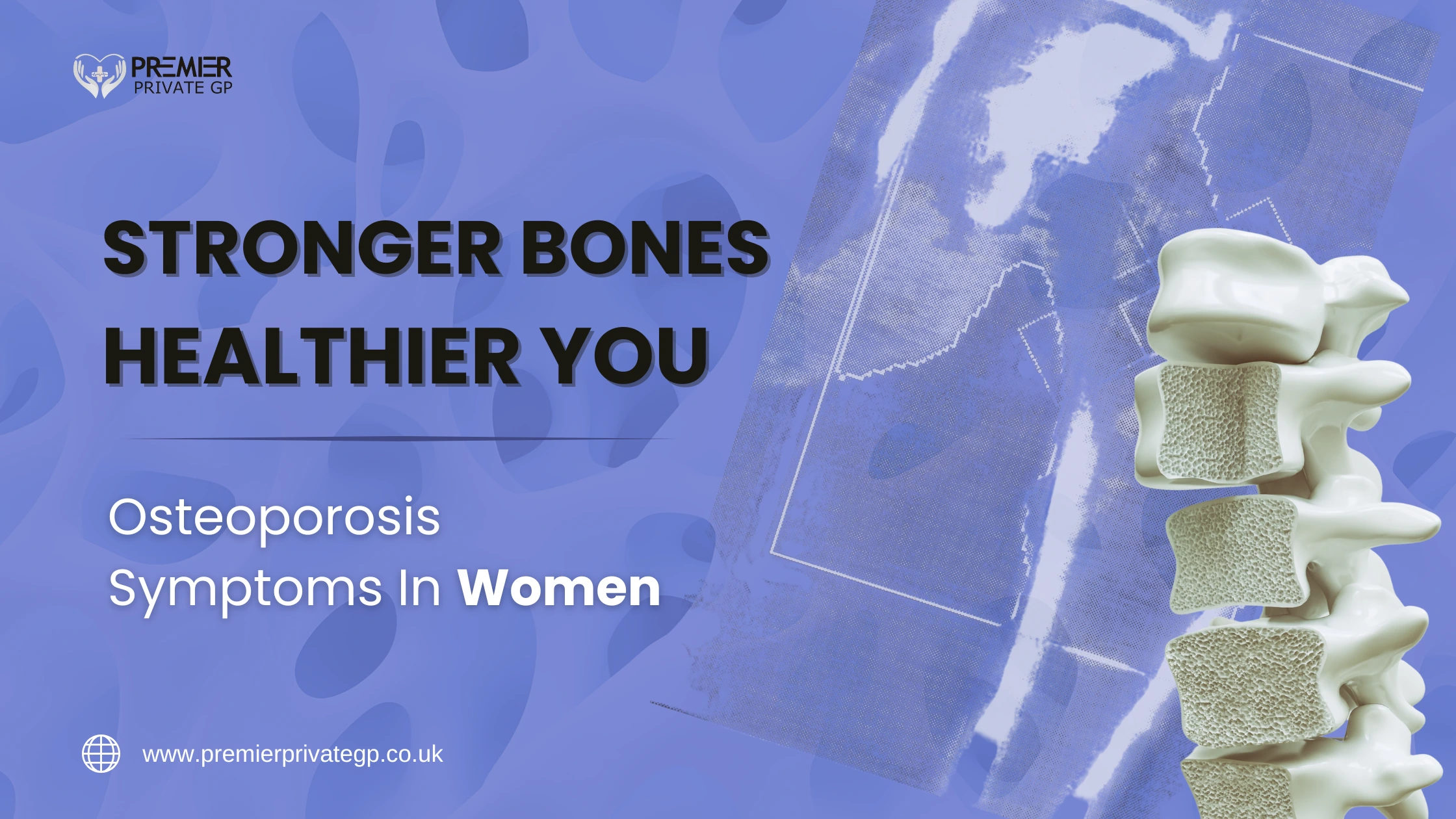
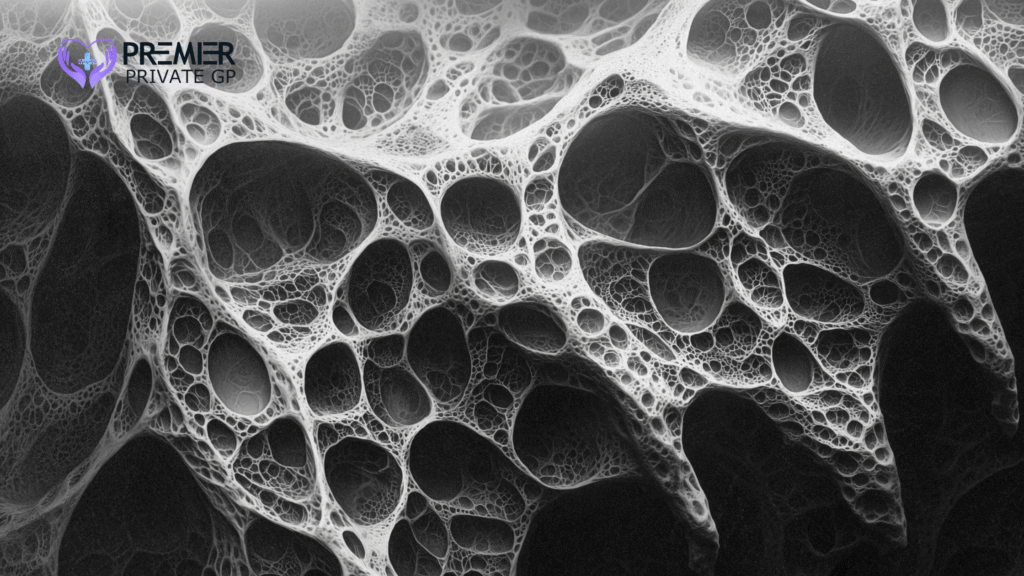
Do you feel your bones are getting weaker as you age? Osteoporosis is a condition that weakens bones. It occurs over the span of years but you realise this until a sort of fracture happens. Your bones constantly break down and rebuild themselves. When breakdown happens faster than rebuilding, your bones become weak and prone to fractures from minor bumps or routine activities. Well the most common injuries in people with this condition are hip fractures, broken wrist and spinal bones. Let’s talk about osteoporosis symptoms, how it can be cured and if you can reverse osteoporosis in 6 months.
Alt-text: Osteoporosis symptoms explained
How Is It Identified?
You feel no pain as your bones start to lose their strength and that makes early detection so important. The majority believes that only old women who have had past fractures have osteoporosis. However this bone disease develops even in men and usually with its indistinct symptoms long before a fracture occurs.
Early detection of the osteoporosis symptoms will result in taking actual steps to save the bones. Postmenopausal women are at higher risk because the drop in oestrogen levels accelerates bone loss.
Symptoms usually include
- Severe back pain that comes on suddenly might mean a vertebra has collapsed. This pain is often sharp and debilitating.
- Difficulty standing or walking develops as your spine weakens and posture changes. Balance problems increase, making falls and fractures more likely.
How’s Osteoporosis Diagnosed?
At our private GP clinic, we often detect osteoporosis during routine health screenings for elderly patients or during a Vitamin D blood test when low vitamin D levels raise concern for bone weakness. Other tests such as urine and blood tests can be done if your GP thinks there could be another condition affecting your bone density. We make a referral to a specialist when needed.
Early Signs
The trickiest part is to detect the early signs of osteoporosis and they are frequently confused with normal aging. Your bones do not hurt because they get weak but your body does give you a clue.
- One of the first signs is height loss. You’ll start losing more of your hair and your length goes really down in no time.
- Alterations of posture evolve. Such a hunched-forward position occurs when vertebrae of the spine become weak and contract. You may find that your clothes will not fit or you are unable to stand straight.
- Back pain with no cause may be an indication of fracture of the spinal column. Not the type of lifting something heavy, but constant pain that does not have an apparent reason.
- Brittle nails show that your body is not having healthy bone and nail cells. Together with other aspects, they are worth mentioning.
Most of these symptoms are similar to back pain or muscle strain. A GP consultation can help clarify the difference.
Does osteoporosis make you tired?
Living with osteoporosis makes you exhausted but does not directly cause fatigue. Medications taken to treat osteoporosis cause drowsiness and in case you lack vitamin D or calcium, nutritional deficiency may also cause tiredness.
Postmenopausal Osteoporosis
The risk of osteoporosis begins after menopause. The level of oestrogen reduces, and the bones become weak due to the loss of support. This is what makes us suggest that women that are older than 50 should have an annual health check-up, such as bone scans and a vitamin test.
Menopause is the turning point where prevention matters most. Read our blog Menopause Matters More Than You Think to understand how hormonal changes affect your entire health picture and not just your cycle.
Which Is Worse: Osteoporosis or Rheumatoid Arthritis?
They both have effects on bones and joints but they are entirely different:
- Bones are weakened in osteoporosis, and usually silently.
- Rheumatoid arthritis is the cause of inflammation in joints.
However, in case you have a problem with long-term stiffness or pain in joints, we recommend reading Everyday Habits That Worsen Joint Pain – And How to Fix Them would be helpful. It describes the little everyday things that may be damaging your bone and joint life.
When should you see a doctor
You should not wait to get a check-up if you notice initial symptoms of osteoporosis or you have already broken a bone.
Osteoporosis is a hereditary disorder. It does not announce itself with pain. Sometimes it starts with fatigue, posture changes and minor fractures. Premier private GP offers help identifying your bone health status through same-day consultation, vitamin D and calcium tests, referrals (if needed), and best treatment advice.
The Role of Early Health Checks in Identifying Osteoporosis Risks
Alongside recognising the early symptoms of osteoporosis, it is important for women to understand how routine health checks can support early detection. Many patients choose to see a private GP because it allows them to discuss concerns in more detail and access investigations without long waiting times. In many cases, simple blood tests can help identify underlying issues such as vitamin D deficiency, calcium imbalance, thyroid conditions, or hormonal changes, all of which can contribute to reduced bone strength.
Unexplained weight loss can also be an early warning sign, as it is sometimes linked with nutritional deficiencies or reduced muscle mass, both of which may increase the risk of bone thinning. By seeking timely medical advice and undergoing the right assessments, women can take proactive steps to protect their bone health and reduce the risk of fractures later in life.
FAQs
1. What is osteoporosis? How do we cure it?
Osteoporosis is a condition that causes bones to be frail and weak. It has no definite cure although dietary and lifestyle modifications can also be used.
2. What is the treatment of Postmenopausal Osteoporosis?
Therapy is aimed at medication strengthening bones, hormonal treatment (in certain cases) and the retention of calcium and vitamin D. Regular monitoring is key.
3. What is the best treatment for osteoporosis?
The best treatment depends on the results of bone density, age, and risk profile. Doctors in our clinic develop specific programs, medical treatment and lifestyle programs to allow you to safely recuperate.