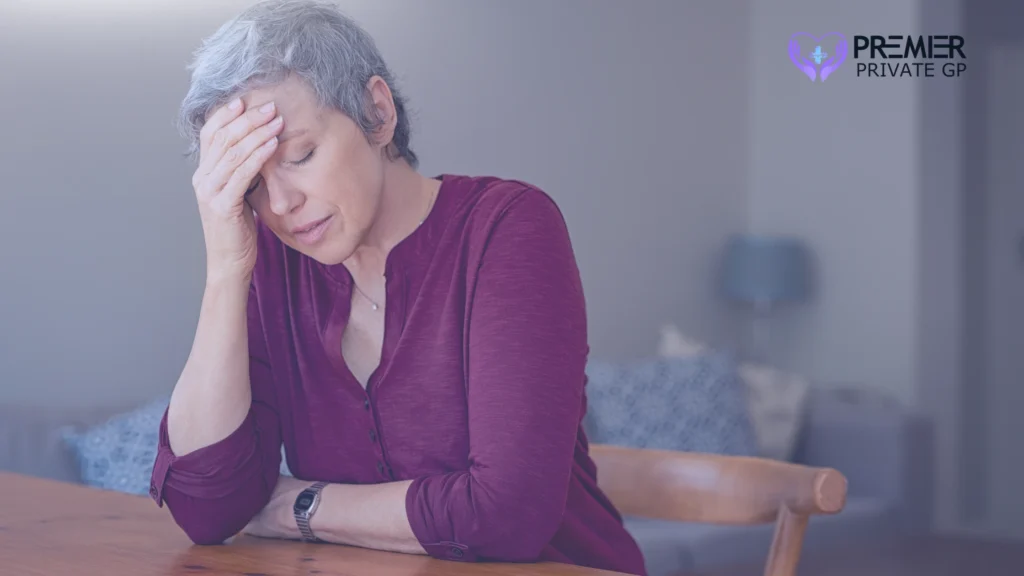

Holiday stress is real, and recognising it matters. The season is meant to feel warm and joyful, but it can also feel overwhelming. Many people notice more stress, low mood, tension and tiredness at this time of year. This doesn’t mean the holidays are negative, it simply means routine changes can put extra pressure on your mind and body.
Here are some simple, practical steps to help you protect your wellbeing while still enjoying the moments that matter.
Why the Holiday Season Can Increase Mental Stress
Several factors come together at once during the holidays. These can make day-to-day life feel more demanding:
- Busy schedules
- Social expectations
- Travel arrangements
- Financial pressure
- Disrupted routines
- Winter fatigue
- Emotional triggers or memories
- Shorter daylight hours
The Mental Health Foundation notes that low daylight can affect mood and energy. Routine changes can increase holiday anxiety and tension.
At our clinic, we often see patients who feel unusually drained or overwhelmed. These reactions are common, and with the right steps, they can be managed.
1. Notice Early Signs of Mental Stress
Early signs help you act before symptoms become heavier. Many people assume that their symptoms are just part of the holidays, but spotting them early can be helpful. Some signs of mental stress are headaches, trouble sleeping, fatigue, low motivation, and most importantly, feeling emotionally overwhelmed.

If these symptoms are affecting your daily life, a same-day GP appointment can help identify whether stress, low mood, or a physical factor (like Vitamin D
deficiency or low iron) is involved.
2. Protect Your Schedule
Trying to fit everything into a short period often increases stress. Creating space in your routine helps you stay calmer and enjoy the season more. People need to protect their emotional energy during high-pressure periods. These small adjustments reduce holiday anxiety and give your mind space to reset.
3. Check Your Winter Health
Winter can magnify mental stress. Reduced sunlight and cold weather can influence hormone balance, mood, and physical energy. At Premier Private GP, we often diagnose:
- Low Vitamin D
- Iron deficiency
- Thyroid imbalances
- Early signs of Seasonal Affective Disorder
A simple Vitamin D test, iron test, or full blood panel can provide clarity. When physical health improves, stress resilience often improves too.
4. Keep Plans Simple and Manageable
The holidays do not have to be complicated. Simplicity reduces holiday stress and helps you stay balanced. The NHS advises simple planning, healthy routines, and regular activity to support emotional wellbeing and reduce stress.
You need to:
- Avoid unnecessary shopping pressure
- Plan smaller gatherings
- Prioritise rest
- Keep traditions flexible
5. Seek Support Sooner
Many people bottle up stress until after the holidays. But you do not need to manage everything alone. We offer same-day GP visits, confidential wellbeing checks, tests for winter-related deficiencies, and quick mental health referrals.
We’re Here To Support
If mental stress or holiday stress is affecting you, our team at Premier Private GP in Bagshot is here to help. You can access same-day appointments, personalised guidance, and fast testing during the winter months. Your wellbeing matters, especially during the holiday season. Book your consultation anytime.
FAQs
1. How do seasonal changes affect mental well-being?
Reduced daylight, colder weather, and routine changes can lower energy and influence mood, increasing mental stress.
2. How to deal with depression during the holiday season?
By protecting your schedule, keeping routines steady, and checking for Vitamin D or iron deficiencies that may contribute to low mood.
3. Why do anxiety and depression get worse during holidays?
Pressure, expectations, disrupted routines, financial strain, and emotional triggers can increase holiday anxiety.
4. How to protect your mental health during the holidays?
Create space in your schedule, simplify plans, prioritise sleep, check winter health levels, and reach out for support if symptoms build.