
Ultrasound
At Premier Private GP, we meet many patients who assume ultrasounds are only useful in pregnancy. As a matter of fact, ultrasound is perhaps one of the most potent, harmless and accessible equipment for locating health issues before they arise, usually before they manifest themselves.
It may be stomach pain, pain that cannot be resolved, or it may be fertility issues or regular pregnancy check-ups, but an ultrasound scan provides that transparency way before any other test can.
What Is It?
An ultrasound (also known by the name of diagnostic ultrasound or ultrasound imaging) is a method of generating real-time images of the internal organs of the body through the use of high-frequency sound waves.
It is not radiated like X-rays but by sound. That means it’s safe, quick, and suitable for pregnancy, repeated use, or early-stage screening. As the Cleveland Clinic explains, ultrasound helps visualise organs, soft tissues and blood flow in a way that other imaging sometimes cannot.
Why Ultrasound Is Crucial for Early Diagnosis
Ultrasound isn’t just a test, it’s a decision-maker.
It helps doctors detect:
● Gallstones or liver abnormalities
● Kidney or bladder issues
● Thyroid nodules
● Cysts, fibroids, and reproductive concerns
● Early pregnancy development
● Blood flow issues and inflammation
● Abdominal or pelvic conditions that may not show during physical exams
Because it’s painless, safe and immediate, ultrasound is often the first step in identifying the cause of symptoms like pain, swelling, nausea or irregular bleeding.
For patients who want to be proactive about their wellbeing, ultrasound is a key component of early health screening, much like regular blood sugar checks. If you’d like to learn more about proactive testing, see our related article on Blood Sugar Testing and Early Diagnosis.
Types of Ultrasound Scans We Commonly Use
At Premier Private GP, the choice of scan depends on your symptoms and clinical history. Some of the most common include:
1. Abdominal Ultrasound
Used to examine organs such as the liver, gallbladder, kidneys, pancreas and spleen.
2. Pelvic Ultrasound
Applicable in the diagnosis of ovarian cysts, uterine fibroids, pelvic and menstrual pain.
3. Pregnancy Ultrasound
An ultra safe and necessary scan to check the heartbeat of the fetus, development and gestational age, in accordance with the NHS recommendations regarding the care of pregnancy.
4. Thyroid Ultrasound
Assists in the identification of thyroid nodules, enlargement or inflammation.
5. Doppler Ultrasound
Determines blood circulation, cardiovascular problems, and vascularity.
Ultrasound can be of great use to patients above the age of 50 who need to track their chronic conditions or identify problems before they develop. For more on preventive screening, see our guide on Essential Health Screenings for Over 50s.
Combining Ultrasound with Broader Health Assessments
While ultrasound is an excellent tool for identifying early changes within the body, it is often most effective when used alongside wider health assessments. Many patients choose to visit a private GP because it allows for quicker access to both imaging and supportive investigations. Routine blood tests can provide valuable additional information, helping identify inflammation, hormonal imbalances, liver and kidney issues, or nutritional deficiencies that may contribute to symptoms.
Unexplained weight loss is one example where combining ultrasound with blood tests can give a much clearer picture, ensuring potential causes are not missed. This integrated approach enables early detection and allows your GP to arrange timely treatment or referrals when needed. By using ultrasound as part of a broader diagnostic strategy, you can gain a more accurate understanding of your health and take proactive steps to address concerns before they develop into more serious conditions.
What to Expect During an Ultrasound Scan
An ultrasound scan is not complicated and lasts approximately 15-30 minutes.
Here’s what typically happens:
● A warm gel is applied to the skin
● The handheld probe (transducer) glides over the area
● Real-time images appear on the screen
● Your GP interprets the results and discusses next steps
Most patients return to normal activities immediately with no downtime.
Ultrasound in Pregnanc
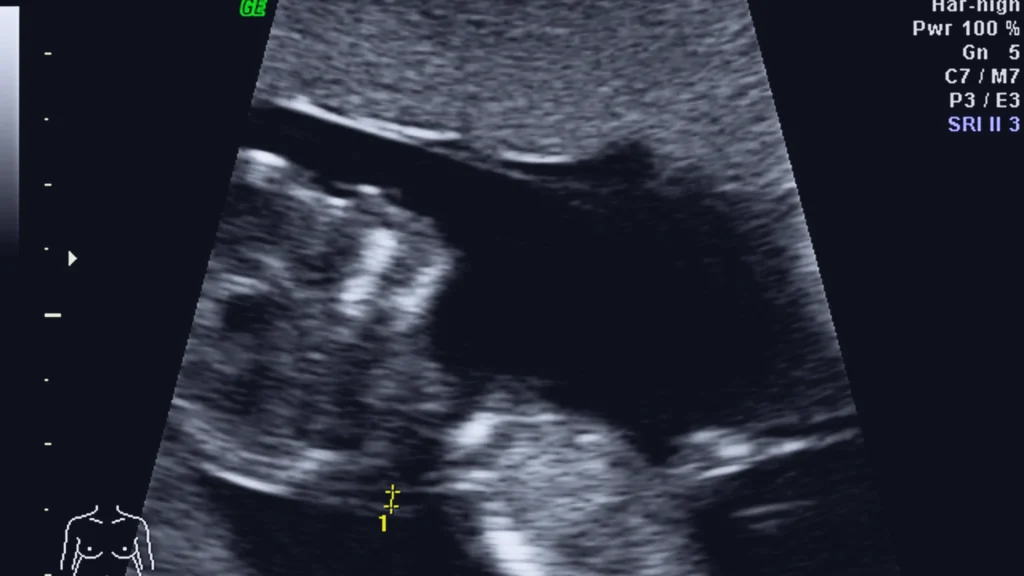
Pregnancy ultrasounds are one of the most recognised uses of this technology.
They help identify:
● Fetal heartbeat
● Expected due date
● Growth and positioning
● Placental health
● Developmental concerns
Due to the non-radiation and sound waves used in ultrasound, the test is the gold-standard imaging in pregnancy.
Early Detection = Better Result
Ultrasound enables physicians to detect any issues way before they grow out of control. This is especially important because early detection often means:
● More treatment options
● Less invasive procedures
● Faster recovery
● Reduced long-term risk
Ultrasound is also part of many diagnostic pathways, including abdominal pain, possible cancers, fertility concerns, thyroid changes or early pregnancy complications.
When to Book an Ultrasound
You should consider an ultrasound if you experience:
● Persistent abdominal pain
● Pelvic pain or irregular periods
● Unexplained bloating or discomfort
● Thyroid swelling or neck lumps
● Early pregnancy concerns
● Urinary issues
● New digestive symptoms
● Unexplained fatigue with abdominal symptoms
In case you are not certain of the type of test you require, our GPs are there to point you to the most appropriate and speediest path of diagnosis which could be scans, blood tests and referrals.
FAQs
1. What does a diagnostic ultrasound do?
Diagnostic ultrasound is a procedure that develops real-time images of the inner organs, tissues and blood vessels of your body. It aids in the early detection of abnormalities, makes the decisions of the treatment and monitors the current conditions.
2. Why are ultrasounds used in the medical field?
The popularity of ultrasound can be explained by the fact that it is safe, does not involve any invasive procedures, is radiation-free and works well in terms of early diagnosis. It assists in the examination of soft tissues, pregnancies, blood flow and organs in the abdomen without putting you at risk.